

Product Categories
SEARCH WHAT YOU WANT
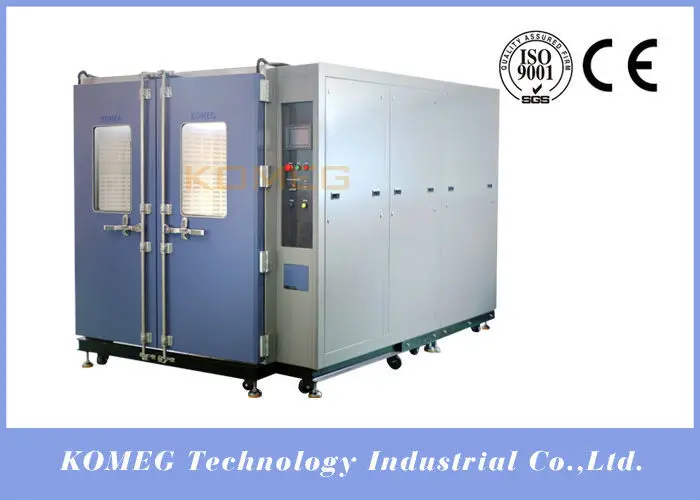
Climate test chambers are essential laboratory equipment for industries such as automotive, electronics, aerospace, and pharmaceuticals. They simulate environmental factors like temperature, humidity, and pressure to evaluate product durability and reliability. Selecting the right chamber can be challenging, as it depends on specific testing requirements, product specifications, and budget considerations.
This article provides a step-by-step guide to the different types of climate chambers and offers practical advice on making the best selection. From basic models to advanced features like rapid thermal cycling or combined stress testing, this guide will help you choose a chamber that meets both your technical needs and financial constraints.
Types of Climatic Test Chambers
Climate chambers are available in various configurations to simulate specific environmental conditions. They are designed to meet distinct testing needs—whether for temperature, humidity, or multi-stress testing. The right choice depends on your industry, product design, and performance standards.
Temperature Chambers
Temperature chambers replicate extreme hot and cold environments. They help assess how products perform under different temperature ranges, determining their durability in real-world conditions. Widely used in automotive, electronics, and aerospace sectors, these chambers are a standard choice for thermal stability validation.
Humidity Chambers
Humidity chambers control both temperature and relative humidity to simulate moist or tropical conditions. They are crucial for testing materials prone to corrosion, warping, or microbial growth. Industries such as pharmaceuticals, textiles, and packaging rely on them to ensure long-term product reliability in damp climates.
Thermal Shock Chambers
Thermal shock chambers rapidly alternate between extreme hot and cold settings to mimic sudden temperature shifts. They test materials for expansion, contraction, and structural integrity under abrupt thermal changes. Essential in aerospace, electronics, and defense, these chambers validate product performance and safety under rapid temperature variations.
Altitude Chambers
Altitude chambers simulate high-altitude conditions by adjusting pressure, temperature, and sometimes humidity. Primarily used in aerospace, military, and automotive industries, they test components such as aircraft parts, satellite systems, and navigation devices under low-pressure environments where air density affects functionality and safety.
Vibration and Stress Chambers
These chambers combine mechanical vibration with climatic factors like temperature and humidity. They replicate real-world scenarios where products face simultaneous physical and environmental stress. Common in automotive, defense, and electronics, they ensure components can endure conditions such as transport shocks, operational wear, and harsh climates.
Walk-in Chambers
Walk-in chambers are large-scale testing environments designed for big products or batch testing. They offer flexible control over temperature, humidity, and pressure within a spacious setup. Industries like aerospace, automotive, and consumer goods use them for large-sample testing, prototype validation, and compliance with international quality standards.
Environmental Test Chambers Overview
Environmental test chambers are specialized enclosures that regulate conditions such as temperature, humidity, pressure, and vibration to simulate real-world stresses on a product. They allow manufacturers and researchers to identify potential failures, improve reliability, and ensure regulatory compliance before a product reaches the market.
How to Choose the Right Climate Test Chamber
Selecting a suitable climate test chamber begins with defining your test requirements—including temperature and humidity ranges, sample size, and weight. It’s also important to compare technical specifications such as uniformity, temperature change rate, data logging capabilities, and overall build quality.
Here are 7 guidelines for selecting the right climate chamber:
Define Testing Requirements
Clearly outline the environmental conditions your product must endure, including minimum and maximum temperature and humidity levels. Identify any applicable industry standards (e.g., ISO, ASTM, MIL-STD).
Consider Sample Size
Account for the dimensions, shape, and weight of your test samples. Determine whether samples generate heat during testing, as this affects the chamber’s required power and performance.
Assess Temperature and Humidity Performance
Choose a chamber that reliably reaches your target temperature and humidity ranges. Understand the difference between single-stage cooling (e.g., -40°C to 180°C) and cascade cooling systems for very low temperatures (e.g., -70°C).
Evaluate Uniformity and Change Rate
Ensure the chamber maintains consistent temperature and humidity throughout the workspace with proper airflow. Note the temperature change rate (e.g., in °C/min), which is critical for accelerated testing.
Verify Programmability and Data Logging
Opt for chambers with programmable controllers to run complex test cycles, and ensure they include data logging features for accurate recording, analysis, and traceability.
Prioritize Quality and Maintenance
Select chambers from reputable manufacturers known for reliability and performance. Look for easy access to components for cleaning and maintenance, and confirm the availability of customer support and spare parts.
Consider Operational and Space Factors
Plan for the chamber’s physical footprint and integration into your facility—especially for larger walk-in models. Also evaluate operational costs such as energy consumption, and determine if special accessories like remote condensers are needed.
A climate test chamber is a long-term investment directly tied to product quality and compliance. Understanding the different chamber types and carefully comparing performance, size, standards alignment, and cost will help you choose the best option for your needs. The right chamber ensures consistent testing, improved product performance, and a strong return on investment over time.
Among high-quality climate test chamber providers, KOMEG stands out as a leading choice. With advanced technology, precise performance, and proven reliability, KOMEG delivers robust solutions that meet the rigorous demands of testing and product development.
Product Categories
Recent Posts
Copyright © 2026 GUANGDONG KOMEG INDUSTRIAL CO., LTD