

Product Categories
SEARCH WHAT YOU WANT
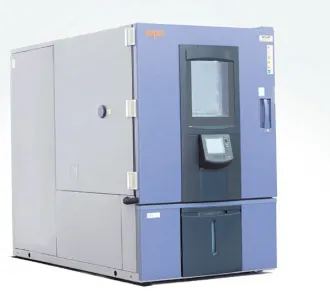
An environmental test chamber is a precision instrument capable of simulating various natural environmental conditions, including temperature, humidity, dust, salt spray, and more. Widely used in electronics, new energy, aerospace, medical, and many other industries, it serves as a critical tool for product development, quality control, and reliability verification.
What core components make up such a sophisticated piece of equipment? What roles do these different parts play? Below, KOMEG provides a clear and straightforward explanation of the components and functions of environmental test chambers.
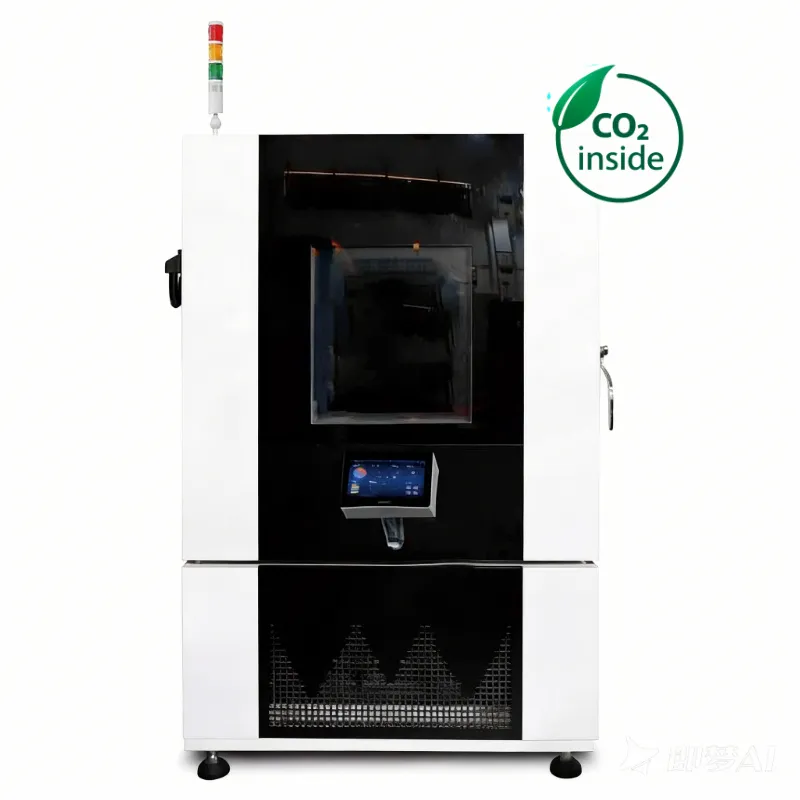
I. Cabinet Structure System
The cabinet forms the foundation of the environmental test chamber, providing physical support for the precise control of the internal environment.
1. Outer Cabinet
Structure: Usually made of high-quality cold-rolled steel plate with an electrostatically sprayed finish.
Functions & Applications:
Protective Barrier: Forms external protection against impact and corrosion.
Aesthetics & Durability: Sturdy, durable, clean in appearance, and easy to clean and maintain.
Noise Reduction: The solid casing helps reduce operating noise.
2. Thermal Insulation Layer
Structure: Filled between the outer cabinet and inner chamber; a vital part of the test chamber. Typically uses high-efficiency insulation materials such as rigid polyurethane foam and high-density fiberglass.
Functions & Applications:
High-Efficiency Insulation: Isolates internal and external temperatures, greatly reducing heat or cold loss and lowering energy consumption.
Improved Accuracy: Ensures more precise temperature control and minimizes interference from ambient temperature fluctuations.
Anti-Condensation: Prevents condensation on the outer surface caused by low internal temperatures.
3. Inner Chamber
Structure: Mostly constructed from high-quality SUS304 stainless steel.
Functions & Applications:
Excellent Weather Resistance: Withstands long-term extreme temperature shocks from -70°C to +150°C without deformation or corrosion.
Hygiene & Cleanliness: Smooth interior walls resist contamination, facilitating cleaning and meeting high-cleanliness testing requirements.
4. Door Structure & Observation Window
Structure: Includes the door, double or multi-layer tempered glass observation window, magnetic silicone rubber seal, and internal lighting.
Functions & Applications:
Easy Sample Access: Single or double-door design allows convenient loading and unloading.
Real-Time Observation: Internal lighting combined with the observation window enables clear monitoring of sample changes during testing.
Secure Sealing: The seal ensures complete air isolation when closed, serving as the first line of defense for environmental stability.
II. Temperature & Humidity Control System
This system creates and maintains precise temperature and humidity conditions.
1. Heating System
Structure: Mainly includes heating elements (nickel-chromium alloy wires, stainless steel finned heaters) and relays or solid-state relays.
Functions & Applications:
Heat Supply: Converts electrical energy into thermal energy to raise the internal temperature.
Fast Response: Rapidly increases temperature and, working with the air circulation system, ensures accuracy and uniformity.
2. Cooling System
Structure: One of the most technical sections, including compressor, condenser, evaporator, and throttling device (e.g., expansion valve). For ultra-low temperatures below -40°C, cascade refrigeration is commonly used.
Functions & Applications:
Cooling Capacity: Absorbs internal heat through refrigerant circulation to lower temperatures.
Wide Temperature Range: Supports adjustment from -70°C to +150°C or wider to meet diverse testing needs.
3. Humidity Control System
Humidity control consists of humidification and dehumidification.
Humidification System
Structure: Usually includes an electrode or electric steam humidifier, a water tank, and a water circuit.
Functions & Applications:
Increases internal humidity to simulate high-humidity environments (up to 95%RH) by releasing clean steam. This method offers strong capacity, high speed and high precision.
Dehumidification System
Structure: Uses evaporator for mechanical cooling and dehumidification, or desiccants and molecular sieves.
Functions & Applications:
Reduces humidity to simulate dry environments. Two main methods:
Mechanical Dehumidification: Cools air below the dew point to condense moisture.
Desiccant Dehumidification: Uses dry air circulation to absorb moisture.
4. Air Circulation System
Structure: Mainly includes high and low temperature-resistant stainless steel fans and precision-designed air ducts.
Functions & Applications:
Forced Convection: Drives high-speed airflow across heaters and evaporators to accelerate heat and moisture exchange.
Uniformity: Eliminates temperature stratification and ensures consistent conditions across the test space.
III. Measurement, Control & Recording System
1. Control System
Structure: The core of the test chamber, including high-precision PT100 sensors, actuators, and a programmable controller with a touchscreen panel.
Functions & Applications:
Real-Time Monitoring: Sensors measure temperature and humidity and feed signals to the controller.
Intelligent Operation: Uses PID or PID+fuzzy control to accurately adjust heating, cooling, humidification, and dehumidification.
Human-Machine Interaction: Allows users to set programs, view real-time data, and monitor status.
2. Data Recording System
Structure: Includes data acquisition cards, storage (internal memory, USB), display, and supporting software.
Functions & Applications:
Real-Time Recording: Displays temperature and humidity data in curves or digits.
Traceability & Analysis: Stores test data for export, analysis, and reporting, supporting quality evaluation and improvement.
IV. Safety Protection & Auxiliary Systems
1. Safety Devices
Structure: A multi-level protection network including an independent over-temperature protector, compressor high/low pressure and overload protection, leakage protection, phase sequence protection, and emergency stop button.
Functions & Applications:
Provides comprehensive safety. In case of over-temperature, power failure, abnormal pressure, etc., the system quickly cuts power or takes action to protect the chamber, samples and operators.
2. Other Auxiliary Components
Test Ports: Used for passing through power cables, sensor wires, or connecting external equipment.
Sample Racks & Guides: Stainless steel perforated shelves with adjustable height for various samples.
Castors & Adjustable Feet: Enable easy movement, leveling and vibration reduction.
Environmental test chambers rely on the coordinated operation of complex structures and precision components to accurately simulate environments ranging from arctic cold to desert heat, tropical humidity to highland dryness. Every component — from the robust outer cabinet and high-performance insulation to the powerful heating/cooling system, precise humidity control, intelligent controller and reliable safety devices — plays an irreplaceable role. Together, they ensure stable, accurate, and safe operation, providing strong technical support for performance and reliability verification across industries.
An environmental test chamber is a precision instrument capable of simulating various natural environmental conditions, including temperature, humidity, dust, salt spray, and more. Widely used in electronics, new energy, aerospace, medical, and many other industries, it serves as a critical tool for product development, quality control, and reliability verification.
What core components make up such a sophisticated piece of equipment? What roles do these different parts play? Below, KOMEG provides a clear and straightforward explanation of the components and functions of environmental test chambers.
I. Cabinet Structure System
The cabinet forms the foundation of the environmental test chamber, providing physical support for the precise control of the internal environment.
1. Outer Cabinet
Structure: Usually made of high-quality cold-rolled steel plate with an electrostatically sprayed finish.
Functions & Applications:
Protective Barrier: Forms external protection against impact and corrosion.
Aesthetics & Durability: Sturdy, durable, clean in appearance, and easy to clean and maintain.
Noise Reduction: The solid casing helps reduce operating noise.
2. Thermal Insulation Layer
Structure: Filled between the outer cabinet and inner chamber; a vital part of the test chamber. Typically uses high-efficiency insulation materials such as rigid polyurethane foam and high-density fiberglass.
Functions & Applications:
High-Efficiency Insulation: Isolates internal and external temperatures, greatly reducing heat or cold loss and lowering energy consumption.
Improved Accuracy: Ensures more precise temperature control and minimizes interference from ambient temperature fluctuations.
Anti-Condensation: Prevents condensation on the outer surface caused by low internal temperatures.
3. Inner Chamber
Structure: Mostly constructed from high-quality SUS304 stainless steel.
Functions & Applications:
Excellent Weather Resistance: Withstands long-term extreme temperature shocks from -70°C to +150°C without deformation or corrosion.
Hygiene & Cleanliness: Smooth interior walls resist contamination, facilitating cleaning and meeting high-cleanliness testing requirements.
4. Door Structure & Observation Window
Structure: Includes the door, double or multi-layer tempered glass observation window, magnetic silicone rubber seal, and internal lighting.
Functions & Applications:
Easy Sample Access: Single or double-door design allows convenient loading and unloading.
Real-Time Observation: Internal lighting combined with the observation window enables clear monitoring of sample changes during testing.
Secure Sealing: The seal ensures complete air isolation when closed, serving as the first line of defense for environmental stability.
II. Temperature & Humidity Control System
This system creates and maintains precise temperature and humidity conditions.
1. Heating System
Structure: Mainly includes heating elements (nickel-chromium alloy wires, stainless steel finned heaters) and relays or solid-state relays.
Functions & Applications:
Heat Supply: Converts electrical energy into thermal energy to raise the internal temperature.
Fast Response: Rapidly increases temperature and, working with the air circulation system, ensures accuracy and uniformity.
2. Cooling System
Structure: One of the most technical sections, including compressor, condenser, evaporator, and throttling device (e.g., expansion valve). For ultra-low temperatures below -40°C, cascade refrigeration is commonly used.
Functions & Applications:
Cooling Capacity: Absorbs internal heat through refrigerant circulation to lower temperatures.
Wide Temperature Range: Supports adjustment from -70°C to +150°C or wider to meet diverse testing needs.
3. Humidity Control System
Humidity control consists of humidification and dehumidification.
Humidification System
Structure: Usually includes an electrode or electric steam humidifier, a water tank, and a water circuit.
Functions & Applications:
Increases internal humidity to simulate high-humidity environments (up to 95%RH) by releasing clean steam. This method offers strong capacity, high speed and high precision.
Dehumidification System
Structure: Uses evaporator for mechanical cooling and dehumidification, or desiccants and molecular sieves.
Functions & Applications:
Reduces humidity to simulate dry environments. Two main methods:
Mechanical Dehumidification: Cools air below the dew point to condense moisture.
Desiccant Dehumidification: Uses dry air circulation to absorb moisture.
4. Air Circulation System
Structure: Mainly includes high and low temperature-resistant stainless steel fans and precision-designed air ducts.
Functions & Applications:
Forced Convection: Drives high-speed airflow across heaters and evaporators to accelerate heat and moisture exchange.
Uniformity: Eliminates temperature stratification and ensures consistent conditions across the test space.
III. Measurement, Control & Recording System
1. Control System
Structure: The core of the test chamber, including high-precision PT100 sensors, actuators, and a programmable controller with a touchscreen panel.
Functions & Applications:
Real-Time Monitoring: Sensors measure temperature and humidity and feed signals to the controller.
Intelligent Operation: Uses PID or PID+fuzzy control to accurately adjust heating, cooling, humidification, and dehumidification.
Human-Machine Interaction: Allows users to set programs, view real-time data, and monitor status.
2. Data Recording System
Structure: Includes data acquisition cards, storage (internal memory, USB), display, and supporting software.
Functions & Applications:
Real-Time Recording: Displays temperature and humidity data in curves or digits.
Traceability & Analysis: Stores test data for export, analysis, and reporting, supporting quality evaluation and improvement.
IV. Safety Protection & Auxiliary Systems
1. Safety Devices
Structure: A multi-level protection network including an independent over-temperature protector, compressor high/low pressure and overload protection, leakage protection, phase sequence protection, and emergency stop button.
Functions & Applications:
Provides comprehensive safety. In case of over-temperature, power failure, abnormal pressure, etc., the system quickly cuts power or takes action to protect the chamber, samples and operators.
2. Other Auxiliary Components
Test Ports: Used for passing through power cables, sensor wires, or connecting external equipment.
Sample Racks & Guides: Stainless steel perforated shelves with adjustable height for various samples.
Castors & Adjustable Feet: Enable easy movement, leveling and vibration reduction.
Environmental test chambers rely on the coordinated operation of complex structures and precision components to accurately simulate environments ranging from arctic cold to desert heat, tropical humidity to highland dryness. Every component — from the robust outer cabinet and high-performance insulation to the powerful heating/cooling system, precise humidity control, intelligent controller and reliable safety devices — plays an irreplaceable role. Together, they ensure stable, accurate, and safe operation, providing strong technical support for performance and reliability verification across industries.
Product Categories
Recent Posts
Copyright © 2026 GUANGDONG KOMEG INDUSTRIAL CO., LTD